Aluminum (seamless)
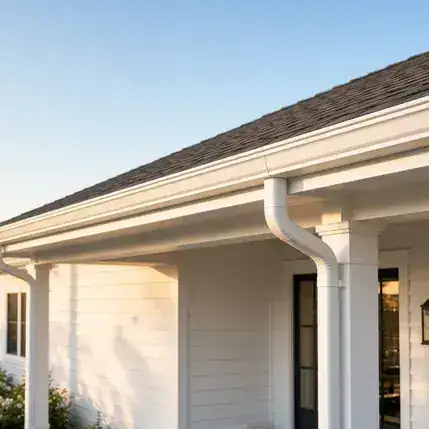
The default choice for most homes. Formed on-site in one continuous run, so there are fewer joints to eventually leak. Won't rust, though it can dent.
No cost to compare
Getting quotes never costs you anything.
No surprises
Cost guide · updated for 2026
A plain-language breakdown of gutter costs and how to get local quotes fast.
Takes about a minute · no obligation to hire anyone
Quick answer
Gutter replacement cost depends heavily on material, your home's height and roofline, and local labor rates. Vinyl costs the least upfront, aluminum is the most common middle-ground choice, and copper and steel cost more but last far longer — see how the materials compare below.
Tell us what kind of help you need and where the home is. Takes about a minute, no account or commitment required.
We pass your request to gutter contractors who actually cover your area, not a national call center.
Talk to whoever reaches out, compare what they offer, and hire someone or walk away. Either way costs nothing.
How long each material typically lasts before it needs replacing again, so you can weigh that against whatever a contractor quotes you.
| Material | Typical lifespan |
|---|---|
| Vinyl (sectional) | 10–15 yrs |
| Aluminum (seamless) Most common choice | 20–25 yrs |
| Steel (seamless) | 20–30 yrs |
| Copper | 50+ yrs |
Lifespan figures are typical ranges based on published home-improvement cost guides (Angi, HomeAdvisor, Bob Vila, and similar), not guarantees — actual longevity depends on your climate, maintenance, and installation quality. Before agreeing to any work, confirm pricing.
Every option below does the same basic job, but they part ways on upfront cost, how long they last, and how much upkeep they ask for. Here's the short version of each.
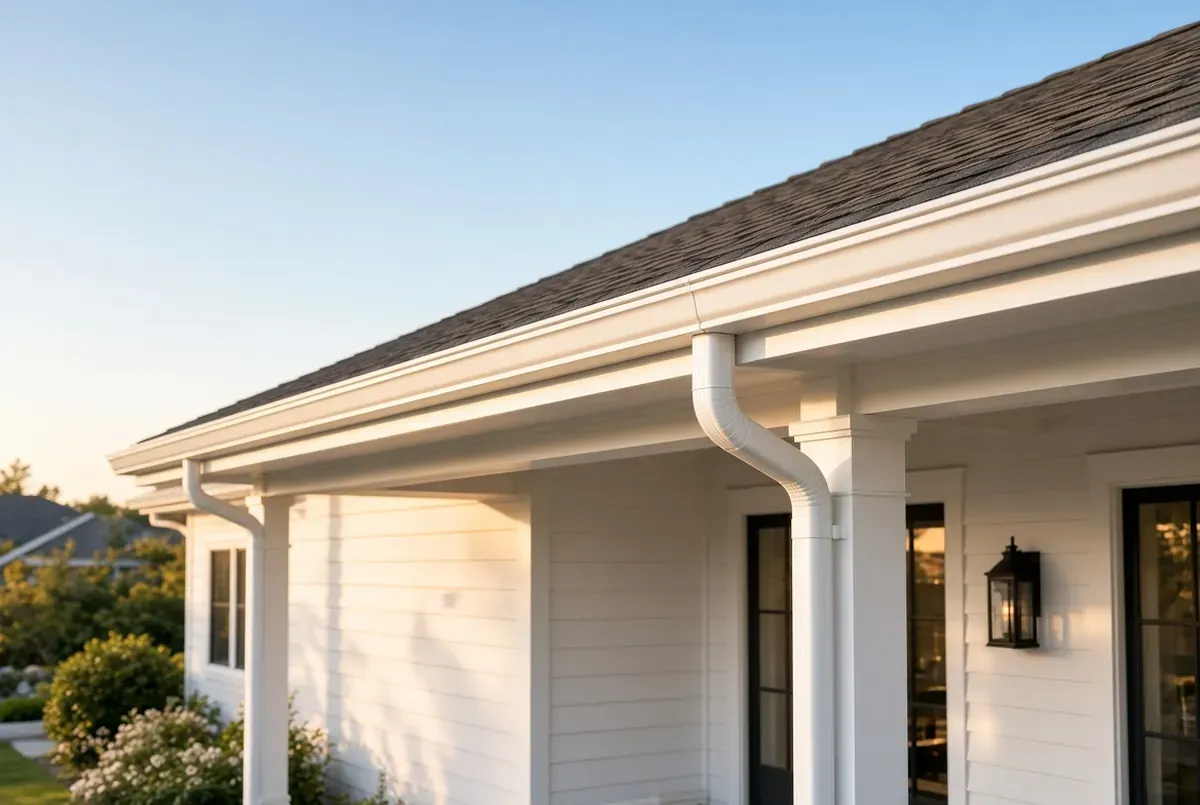
The default choice for most homes. Formed on-site in one continuous run, so there are fewer joints to eventually leak. Won't rust, though it can dent.
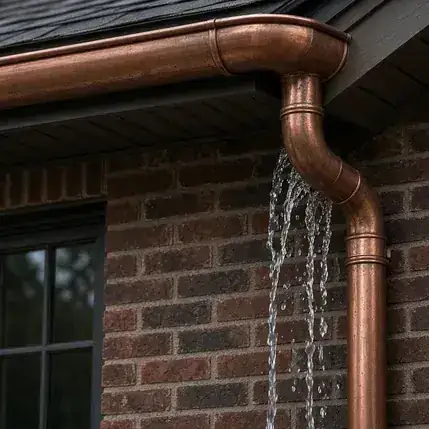
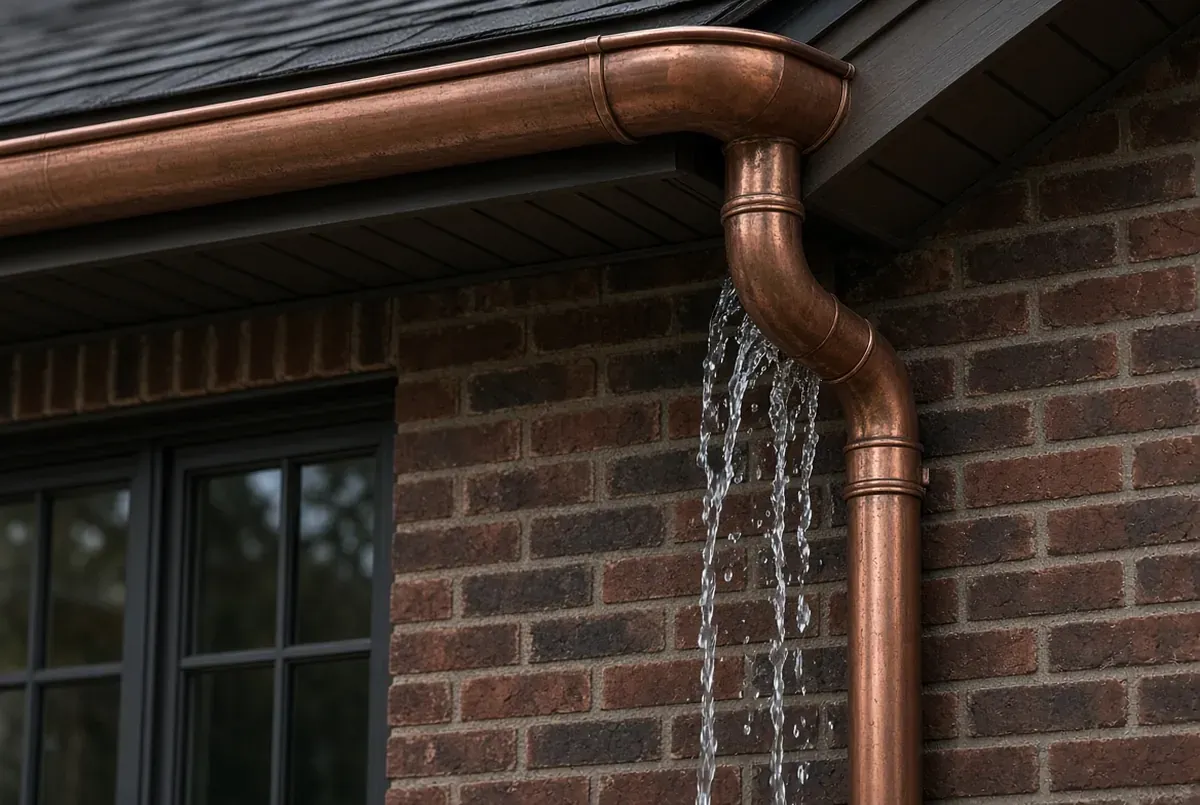
The priciest common option, and the longest-lived by a wide margin. Develops a green patina over decades instead of rusting. Mostly chosen for older or higher-end homes where the look matters.
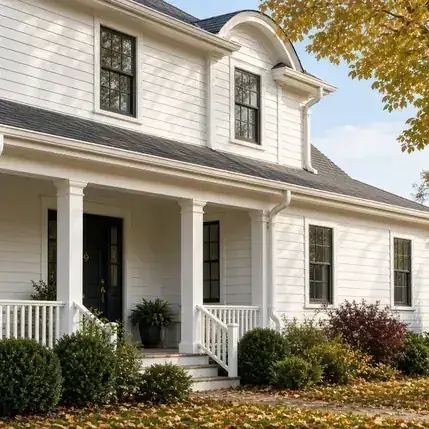
The cheapest way in, and light enough for a confident DIYer to install. Sectional pieces snap together, which also means more seams that can eventually separate. Gets brittle in real cold.
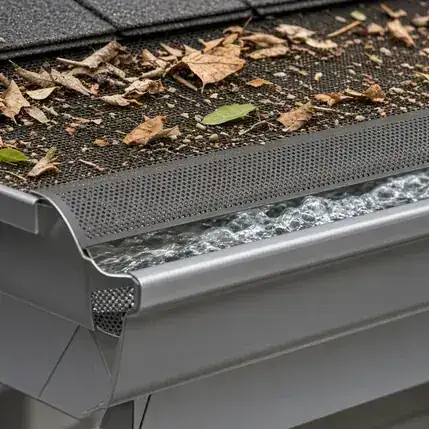
Not common in the US, but durable and low-maintenance where installers stock it. Self-heals minor scratches over time as its surface oxidizes. Harder to find someone who works with it.
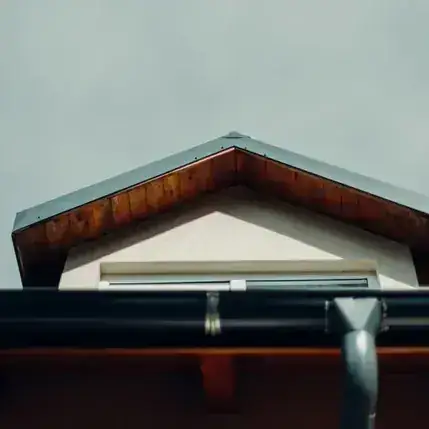
Stronger than aluminum, which matters under heavy snow load. Usually galvanized or coated to fight rust, and that coating is what eventually needs watching for chips and wear.
Your request goes to contractors who actually cover your ZIP code, not a national dispatch line reselling leads.
Comparing quotes doesn't commit you to anything. Say no to every one of them if that's where you land.
We're upfront about who your details go to and why, laid out in full on the request form, not buried after the fact.
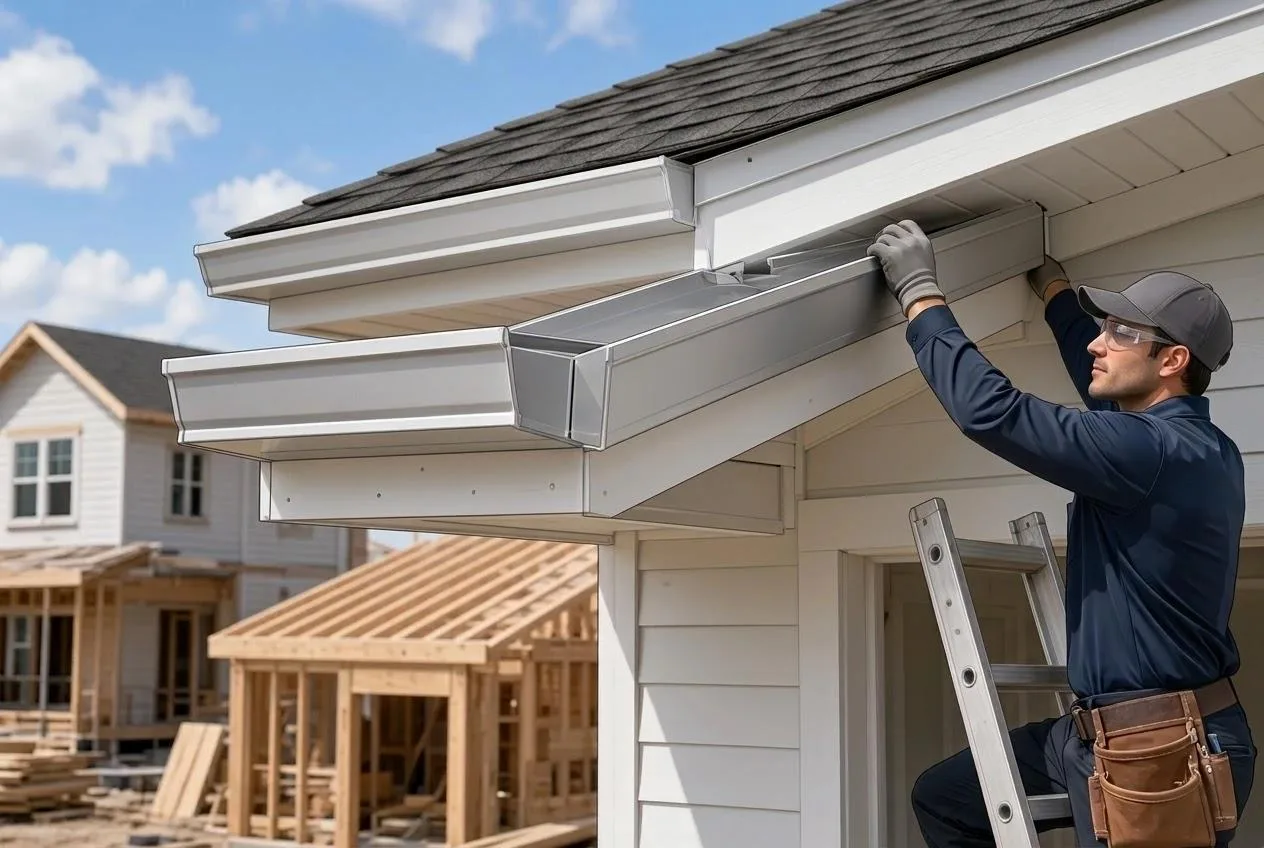
Seamless gutters are formed on-site to your home's exact run, which cuts down on leak points but costs more in labor than pre-cut sectional pieces joined on site.
A single-story ranch is a straightforward job. Steep rooflines, multiple stories, or hard-to-reach sections mean more scaffolding time and usually a higher labor line.
Removing and hauling away an old, damaged system is often quoted separately from the new install. It's worth asking whether that's already included.
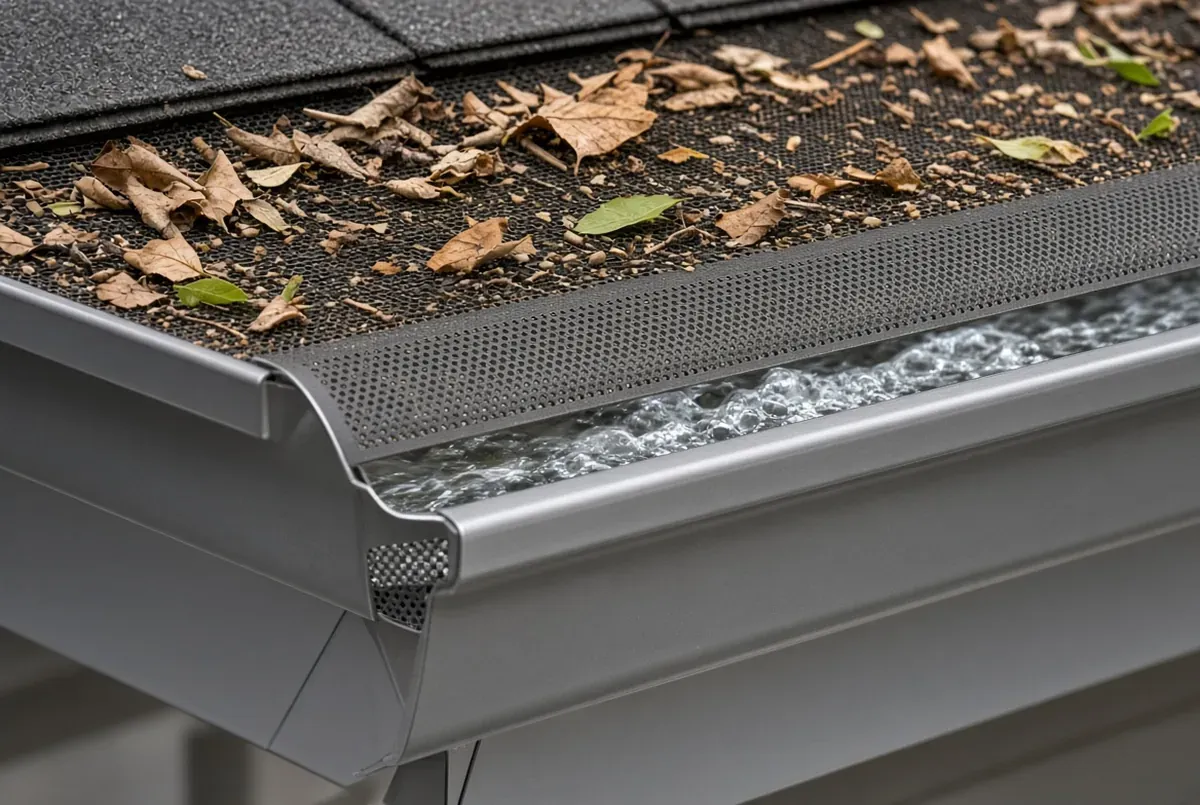
Leaf guards, extra downspouts, and heat cable for cold climates are usually priced as add-ons on top of the base linear-foot rate.
None of these automatically mean a full replacement. Sometimes a repair or a good cleaning solves it, and a local pro can tell you which one you actually need.
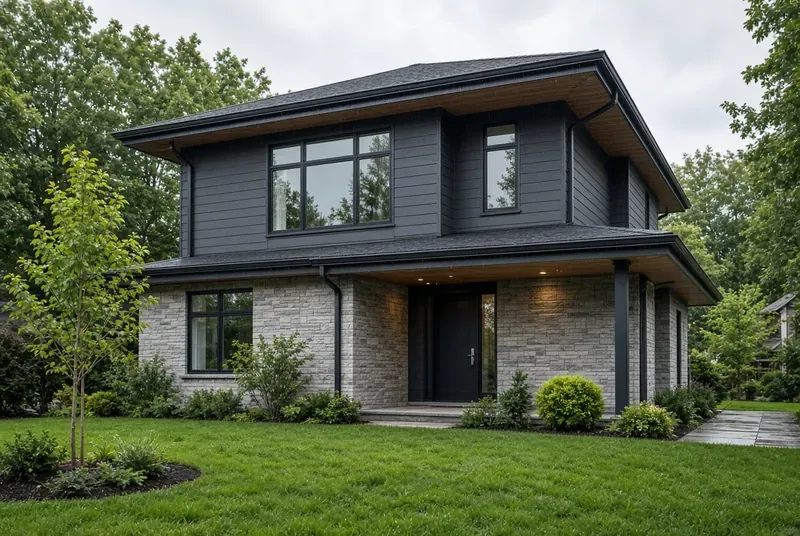
A gutter system's whole job is moving water away from the one place it can do the most damage: your foundation. When it's undersized, clogged, or pulling away from the fascia, that water ends up exactly where you don't want it, against the siding, pooling by the foundation, or finding its way into the basement.
Fixing it before that happens is almost always cheaper than fixing what the water damages afterward. A short call with a local contractor is usually enough to find out whether you're looking at a repair, a full replacement, or nothing urgent at all.
Get Your Free QuotesInstalled cost varies significantly by material, your home's height and roofline, local labor rates, and how much of the old system has to come out first. Vinyl is the budget option, aluminum is the most common middle-ground choice, and copper and steel cost more upfront but last longer. A local contractor can give you an exact number once they've seen the job.
Seamless gutters are formed on-site to your home's exact run, which means fewer joints and fewer places to eventually leak, but more labor cost. Sectional gutters are pre-cut pieces joined on-site, cheaper and easier to install, with more seams that can separate over time.
It depends on material: vinyl typically lasts 10–15 years, aluminum 20–25 years, steel 20–30 years, and copper 50 or more. Local climate and how well they're maintained both affect the real-world number.
Not always. Sagging, visible separation at the seams, overflow during moderate rain, rust or cracking, and water stains on the siding below the gutter line are all worth a look, but a repair or thorough cleaning solves some of these without a full replacement. A local pro can tell you which situation you're actually in.
The most common add-ons are leaf guards, extra downspouts, and heat cable for cold climates, plus tear-off and disposal of the old system, which is often quoted separately from the new install. Steep rooflines or multiple stories add scaffolding time and usually a higher labor line too.
Answer a few quick questions about your home and we'll point you toward local contractors who handle installation, repair, and guards. Getting the quotes is free, and there's no obligation to book anything.
Get Your Free Quotes